The median Summit County residence would pay an estimated $2.73 more a year in property taxes under a proposed increase for the Summit Mosquito Abatement District, KPCW reported.
The proposal would generate approximately $202,816 in additional revenue for 2027, a 30.77% increase in the district’s property-tax revenue, according to the County Council’s Oct. 14 agenda, also published on Utah’s public notice website. The increase would add about 40 cents per $100,000 of taxable property value, according to KPCW.
Bryan Stephens, the district’s general manager, told the council Oct. 14 that the money would help cover inflation, replace equipment and expand mosquito surveillance, KPCW reported. The official agenda identifies increased operating and personnel costs as the purpose of the additional revenue.
Two horses and one mosquito pool in northern Summit County tested positive for West Nile virus this season, Stephens told the council. KPCW’s Oct. 16 report said the county health department had reported no human cases in Summit County this year.
Elsewhere in Utah, about 35% of mosquitoes tested within the Salt Lake City Mosquito Abatement District during one week in August tested positive, KSL reported Aug. 12. That finding did not represent all mosquitoes tested throughout August.
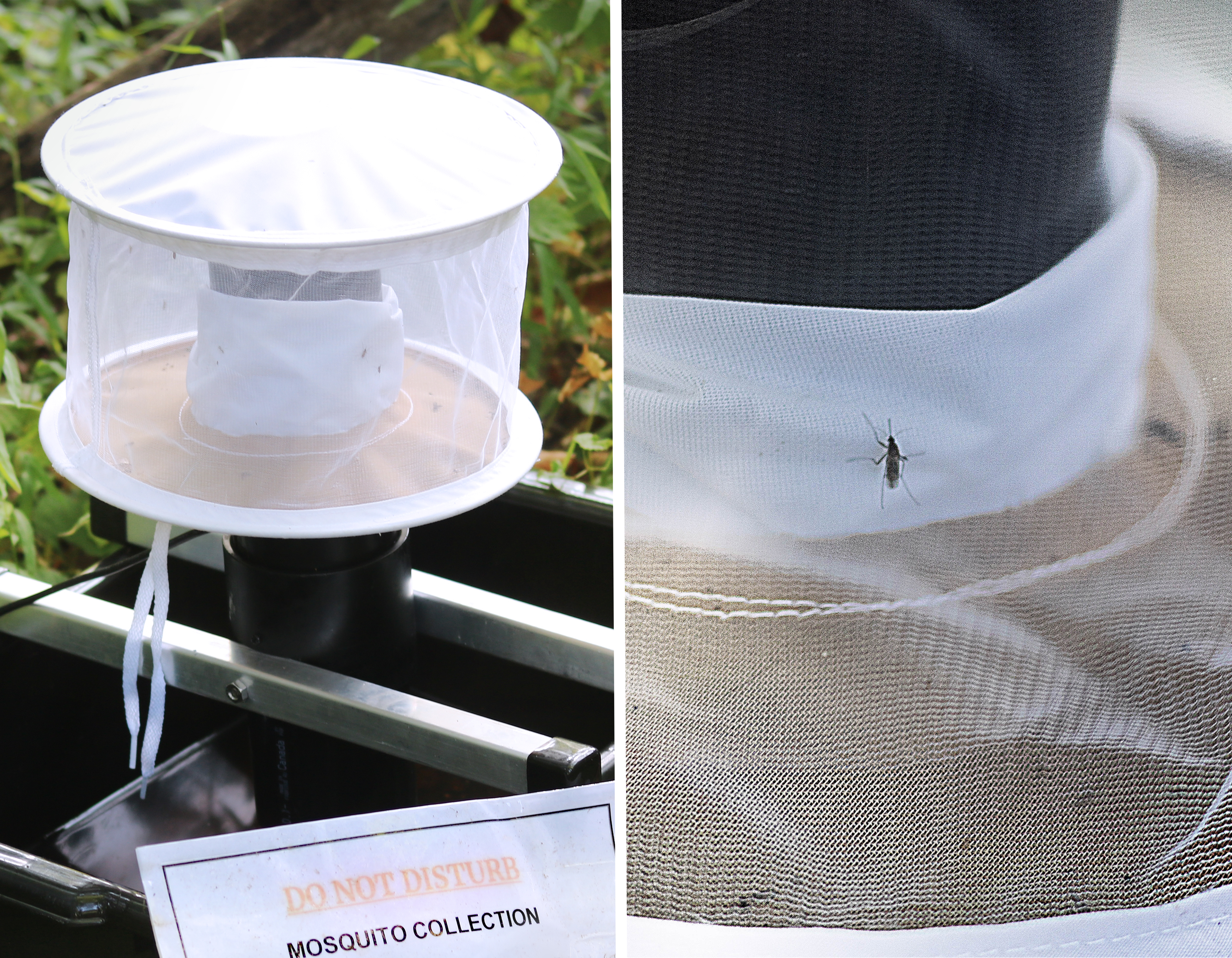
The Summit district uses 11 standard light-trap locations countywide and can deploy portable carbon dioxide traps elsewhere. It collects mosquito species known to carry West Nile virus and sends samples to the state laboratory for testing, according to its website.
The district says its preferred treatment targets mosquitoes during their aquatic larval stage because it is easier and more cost-effective than controlling adults and has less impact on other species. It also uses truck-mounted aerosol treatments when surveillance indicates they are needed.
The district’s 11-member board oversees its budget, policies and mission. Residents can follow its meeting notices for upcoming budget and tax discussions.