Park City recorded its wettest July in more than 30 years, but Utah's reservoirs are still draining faster than monsoon storms can refill them.
The city's library weather station measured 2.5 inches of rain last month, the highest total since the station began recording in 1993, according to KPCW. Across Utah's mountains, July precipitation averaged 2.2 inches, or 181% of normal, state water officials reported. Two sites in the Uinta Mountains set all-time July records, and seven others logged their second-highest totals.
None of it was enough. Statewide, reservoirs sit at just 54% of capacity, down 15 percentage points from the same period last year.
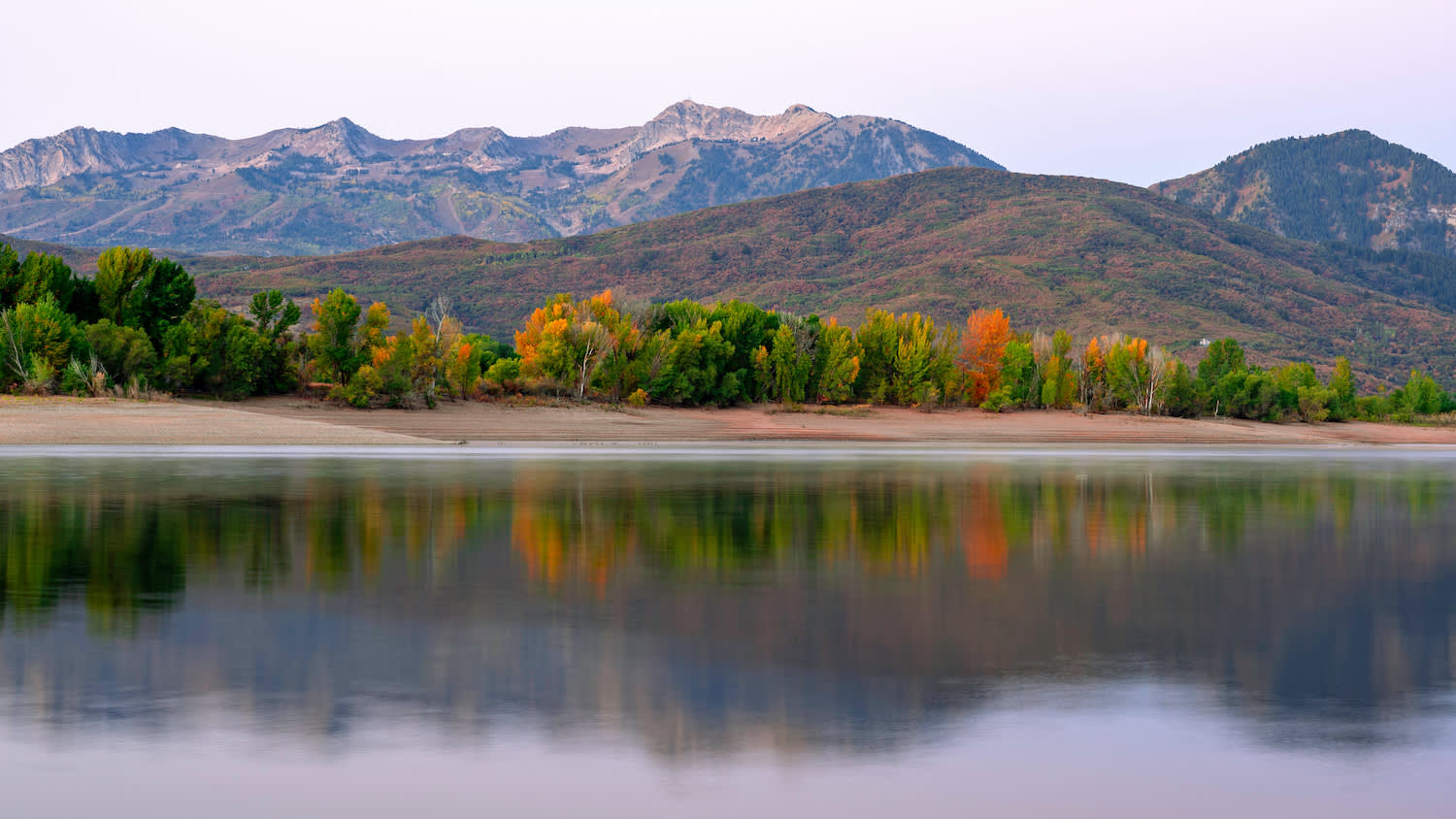
Closer to home, Jordanelle Reservoir was at 68.61% of capacity as of Tuesday, Aug. 4, according to Utah State Parks. That's above the statewide average but still reflects the deficit left by a winter of record-low snowpack and an unusually warm, dry start to summer.
Localized storms, uneven relief
The disconnect comes down to how monsoon moisture works. Summer storms tend to dump rain in narrow bands. While the Uintas got drenched, the nearby Rock Creek area finished July below normal, KPCW reporter Sydney Weaver reported, citing state water officials.
Where rain did fall, soil moisture increased and fire risk dropped. But the relief was temporary and patchy. USU Extension reported that fire activity remains high at middle and upper elevations and is expected to continue across most of Utah, excluding the state's southernmost counties.
Fire season still active
Summit County remains under Stage 2 fire restrictions on unincorporated and state lands. Statewide, 747 wildfires have burned 455,741 acres so far this year. Of those, 374 were human-caused, 317 were sparked by lightning and 56 remain under investigation, according to USU Extension data reported by TownLift.
Gov. Spencer Cox warned residents on Sunday, Aug. 2, that conditions were "extremely dangerous" and urged people to avoid activities that could create a spark.
Summit County resources for wildfire preparedness include defensible-space assessments, wildfire-resistant landscaping guidance and a residential wood-chipping program.
What it means for Basin residents
Record rain reduced immediate fire danger around Park City but did not solve the water supply problem. Reservoirs entered the monsoon season depleted after a poor snowpack year, and localized summer storms cannot make up that gap.
Summit County's Stage 2 fire restrictions remain in effect. Residents can check current reservoir levels through Utah State Parks and fire conditions through Utah Fire Info.