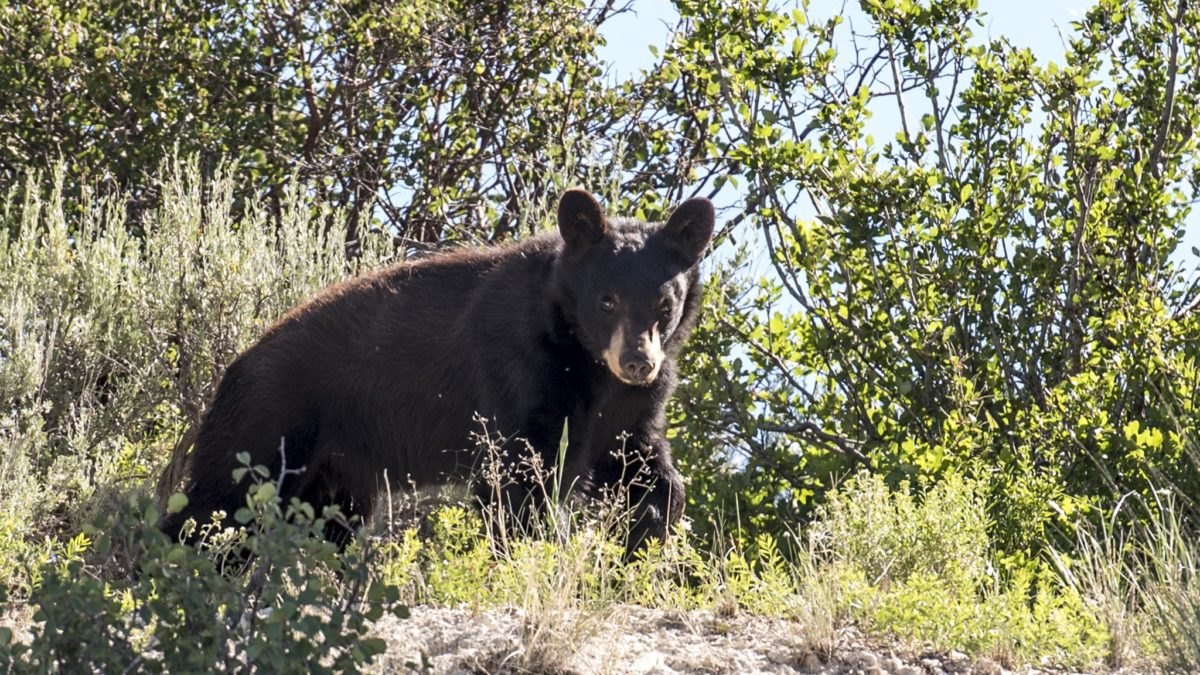
Black bears are showing up in places they haven't been before around northern Utah, and state wildlife officials say drought is to blame.
The Utah Division of Wildlife Resources has logged 56 bear-related incidents statewide so far in 2026, up from 41 at the same point last year. Chad Wilson, game mammals coordinator for DWR, called the increase significant and attributed it to shrinking food supplies across the state. Black bears are common throughout the mountains surrounding Park City, according to DWR, and are increasingly venturing into neighborhoods and campsites in search of food.
"We have been seeing more reports of bears in new places, so it feels like they are expanding the areas where they've been, not necessarily a population increase, but at least expanding their home territories," Wilson told ABC4 on Wednesday, Aug. 5.
About 90 percent of a black bear's diet consists of plants and roots. Both require moisture. When drought dries them out, bears go looking elsewhere.
The timing compounds the risk. Black bears are entering hyperphagia, a late-summer period when they eat intensely to build fat reserves before winter hibernation. That biological drive, paired with fewer natural food sources, pushes them toward garbage cans, bird feeders, grills and pet food bowls in residential areas.
No one has been attacked or injured by a bear in Utah this year, according to DWR. But Wilson warned that bears habituated to human food lose their natural wariness and become more aggressive protecting what they see as their food source. DWR says such animals may ultimately be euthanized if they pose a public safety risk.
What residents should do
DWR recommends these steps for Basin homeowners:
- Secure garbage in bear-resistant containers
- Bring in pet food and water bowls overnight
- Remove bird feeders while bears are active
- Protect fruit trees, gardens, compost piles and beehives
- Keep pets indoors at night
For campers and hikers in the surrounding mountains:
- Put food away immediately after meals
- Wipe down picnic tables
- Burn residue from camp stoves and grills
- Never leave food or scented items unattended (bears can detect deodorant and other non-food scents from far away)
If you encounter a bear
DWR advises standing your ground, making yourself appear large and going out in groups when possible. If attacked by a black bear, fight back. Most black bears will give up and move on.
Residents who spot a bear near a campground, neighborhood or populated area should call DWR's Northern Region office at 801-476-2740. Not every sighting needs a report, according to DWR, only those close to people or homes.