Voters in the proposed West Hills township opposed incorporation 28 to 1 in updated preliminary results from the Nov. 3 general election, according to the Summit County Clerk's Office.
The county's updated tally, posted Nov. 4, showed four additional votes against incorporation compared with election night, when the count stood at 24 to 1.
The result is not yet final. Twenty unresolved voter eligibility challenges remain, and the Summit County Council is scheduled to canvass the results Nov. 17.
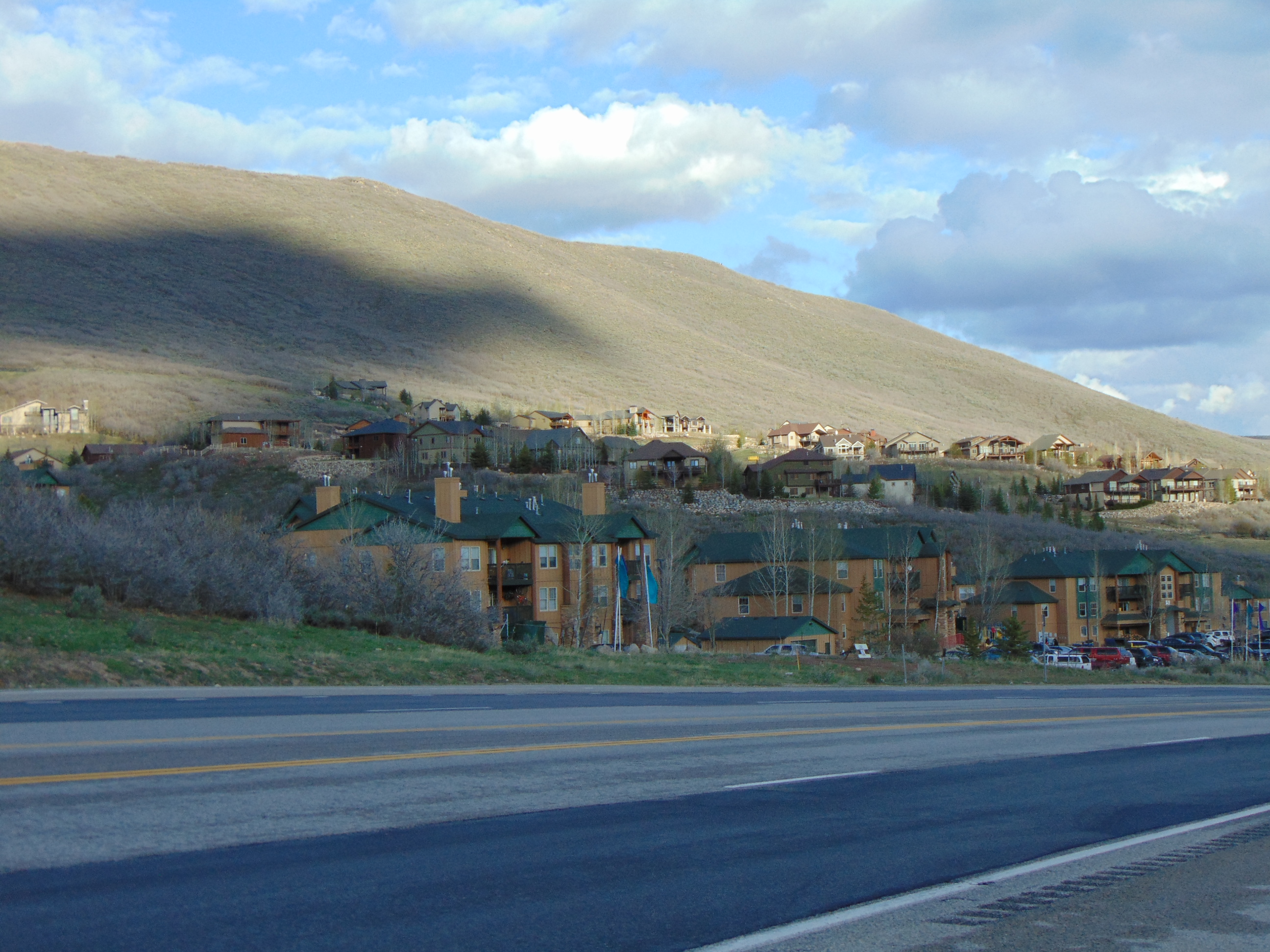
The proposed 3,600-acre township along State Route 248 between Kamas and Hideout has drawn opposition since its creation. Residents have raised concerns about property rights, economic viability and the incorporation process. Supporters have argued that forming a town would give residents more control over land use, help manage expected growth and encourage preservation of open land.
Voter challenges cloud the count
Summit County Clerk Malena Stevens said 38 voters were challenged in connection with the West Hills election, according to TownLift's Nov. 4 report.
On Oct. 26, Stevens ruled on 18 of those challenges, finding 17 voters ineligible to vote from the addresses listed in their registrations.
The remaining 20 challenges must be resolved before the Nov. 17 canvass, Stevens said.
Stevens told TownLift by email that ballots received from challenged voters were being stored separately and treated as provisional ballots.
Those ballots can be counted only if the voters are found eligible to vote from their registered West Hills addresses.
Because the electorate is small, the pending eligibility decisions could affect the final tally. The updated count nevertheless shows overwhelming opposition among ballots counted so far.
Legal challenges to incorporation
The election follows a lengthy dispute over the proposed town's boundaries and the rights of affected landowners.
In 2025, property owners challenged Utah's municipal incorporation process after their land was added to the proposed West Hills boundaries following the deadlines to request exclusion.
Third District Judge Matthew Bates ruled in their favor, finding the challenged provisions of the incorporation law unconstitutional as applied to those landowners. The ruling prevented the proposed municipality from going before voters in November 2025.
The Utah Supreme Court reversed that decision July 2.
In McCaffrey v. Anderson, the justices concluded that the statutory deadlines for excluding property from a proposed municipality did not violate the Utah Constitution's Uniform Operation of Laws Clause.
The decision reinstated the incorporation petition for the 2026 general election.
A separate dispute over individual voters' eligibility remains unresolved. Those eligibility determinations are distinct from the Supreme Court's ruling on the incorporation law.
What happens next
The Summit County Council is scheduled to conduct the official election canvass Nov. 17.
At the canvass, officials examine the election returns and determine whether the results can be approved as final.
Before then, the Clerk's Office must resolve the outstanding voter eligibility challenges and determine which provisional ballots qualify for counting.
The Nov. 4 unofficial tally shows 28 votes against incorporation and one in favor. Those figures may change before certification.