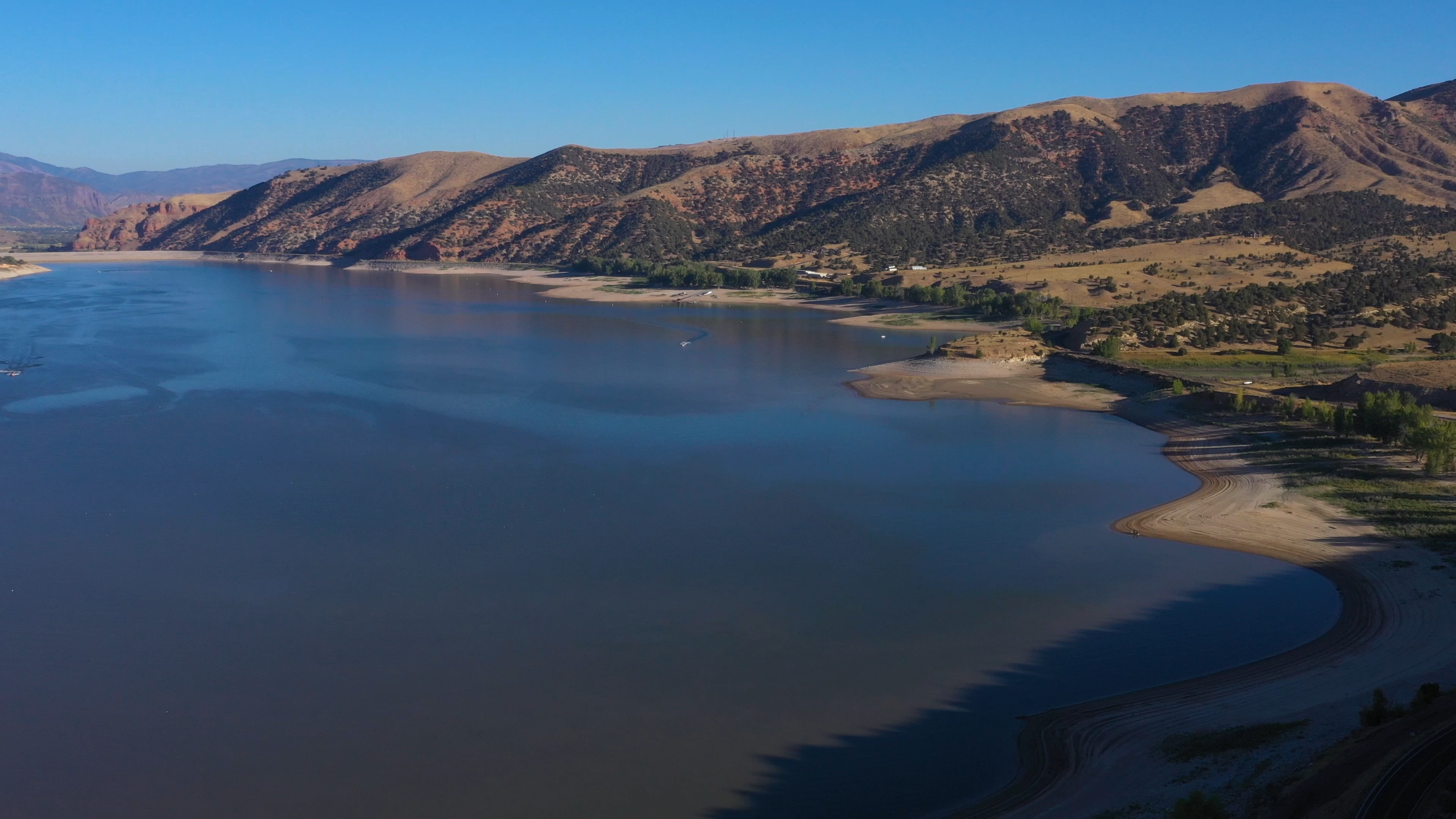
Summit County's three main reservoirs remain below 50% capacity despite above-normal August monsoon rains across Utah's mountains, KPCW reported Tuesday, Sept. 8.
Echo, Rockport and Stateline reservoirs are the exceptions in the Wasatch Back, where most reservoirs sit above 50%. Statewide, reservoir storage has dropped to 48% of capacity, down 14% from the same time last year, KPCW reported, citing state water officials.
The August storms delivered 3 inches of rain to Utah's mountains and brought the statewide water year precipitation to 95% of normal. The rain reduced wildfire risk and boosted soil moisture. But state water officials said the storms did not solve Utah's water problems. Overall water availability, which depends heavily on winter snowpack, remains well below normal.
Rockport Reservoir was at roughly 40% capacity as of late August, down from an average of 87%, Utah Snow Survey supervisor Jordan Clayton told KPCW on Aug. 27. Clayton said Thaynes Canyon received less than 50% of normal August precipitation, and East Canyon Creek near Jeremy Ranch was running at about 57% of normal.
The drought has been punishing. Reservoir withdrawals began in early May, at least a month earlier than normal. Between May and July, statewide reservoir storage dropped 13%, compared to a typical 1% decline over the same period, KPCW reported Aug. 13.
Utah has been under a drought state of emergency since May 21. As of late August, 100% of the state was in some form of drought, according to the Utah Division of Water Resources. As of Aug. 13, northern Summit County was classified as moderate drought, while severe drought conditions covered the rest of the Wasatch Back.
"Our reservoirs, lakes and streams are really struggling this year," Joel Williams, director of the Division of Water Resources, said in an Aug. 27 Park Record report.
The division said reservoirs and lakes will continue to decline until October, when irrigation season ends.
Clayton said in late August that the monsoon rains could still pay dividends. The moisture soaked into mountain soils, he said, which helps a larger share of snowmelt reach streams and reservoirs the following spring. He added that he was cautiously optimistic about an upcoming El Niño forecast, though heavy snow is not guaranteed.
The wildfire season has compounded the strain. Utah recorded 1,028 wildfires burning more than 553,150 acres through late August, including three of the 10 largest fires in state history, according to the Division of Water Resources.

.png)