A Utah legislative audit found no significant correlation between South Summit School District's teacher evaluation scores and student proficiency on state tests, raising questions about how effectively the district identifies teachers who need support.
The Utah Office of the Legislative Auditor General released its systemic performance audit of the district Sept. 15. Auditors presented the findings to the South Summit Board of Education on Oct. 12.
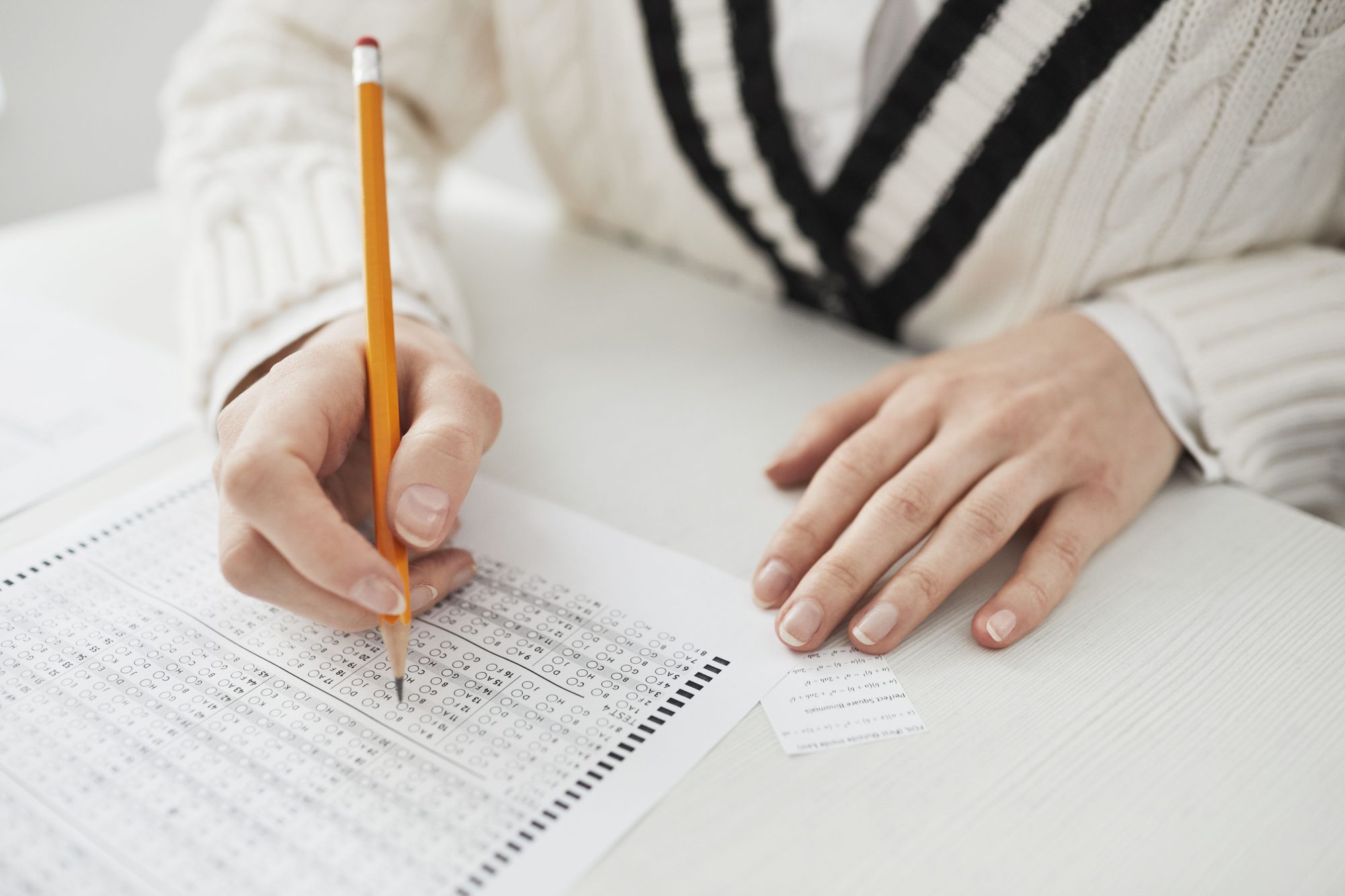
In the report, auditors said they compared teachers' annual evaluation scores with their students' performance on the Readiness Improvement Success Empowerment, or RISE, assessment.
The analysis found no significant correlation between the two measures. Auditors also identified instances in which teachers whose students had consistently low growth scores received high evaluations or had no evaluation recorded.
The report cautioned that the findings point to weaknesses in the evaluation system. Auditors identified several contributing factors, including evaluation criteria that place less emphasis on student academic performance, limitations in the state's teacher evaluation framework and a cumbersome district evaluation platform.
The audit recommended that South Summit refine its system to better identify effective teaching practices and provide support for educators who need improvement.
Student achievement and district goals
The evaluation findings are part of a broader review of South Summit's academic performance.
Auditors found that the district had the lowest combined RISE proficiency among its peer districts over the five years examined. That measure reflects the percentage of students proficient in English language arts, mathematics and science, rather than proficiency in any one subject.
The report also found that South Summit's school board could make better use of student performance data. Its strategic plan included goals and objectives but lacked clear, measurable targets that would allow board members to assess progress.
Auditors identified similar problems with teacher goal-setting. KPCW reported that nearly 20 of 60 teacher goals reviewed lacked a way to measure progress.
The audit recommended that the board establish specific student achievement targets and review academic data regularly.
Superintendent evaluations
The review also found that the school board had not formally evaluated Superintendent Greg Maughan since 2024. Auditors said previous evaluations had not provided useful feedback.
Board President Matt Weller told KPCW that the board had lacked an effective evaluation system.
Auditors recommended adopting a formal annual superintendent evaluation process with measurable expectations tied to the district's strategic plan and student learning.
District response
Maughan told KPCW that he requested the audit because the district wanted to improve its practices and systems after years of disappointing student performance.
In its written response included with the audit, the district outlined steps to address the findings, including more consistent use of student achievement data, improvements to teacher goal-setting and a revised superintendent evaluation process.
The district's implementation timetable calls for the board to consider a new strategic plan in June 2027 and pilot a superintendent evaluation framework during the second half of the 2026–27 school year.
State auditors also recommended that Utah lawmakers examine the statewide teacher evaluation framework, noting that state rules can complicate how districts measure educator performance.
The audit provides South Summit with a set of recommendations aimed at connecting classroom instruction, district leadership and school board oversight more closely to student learning.