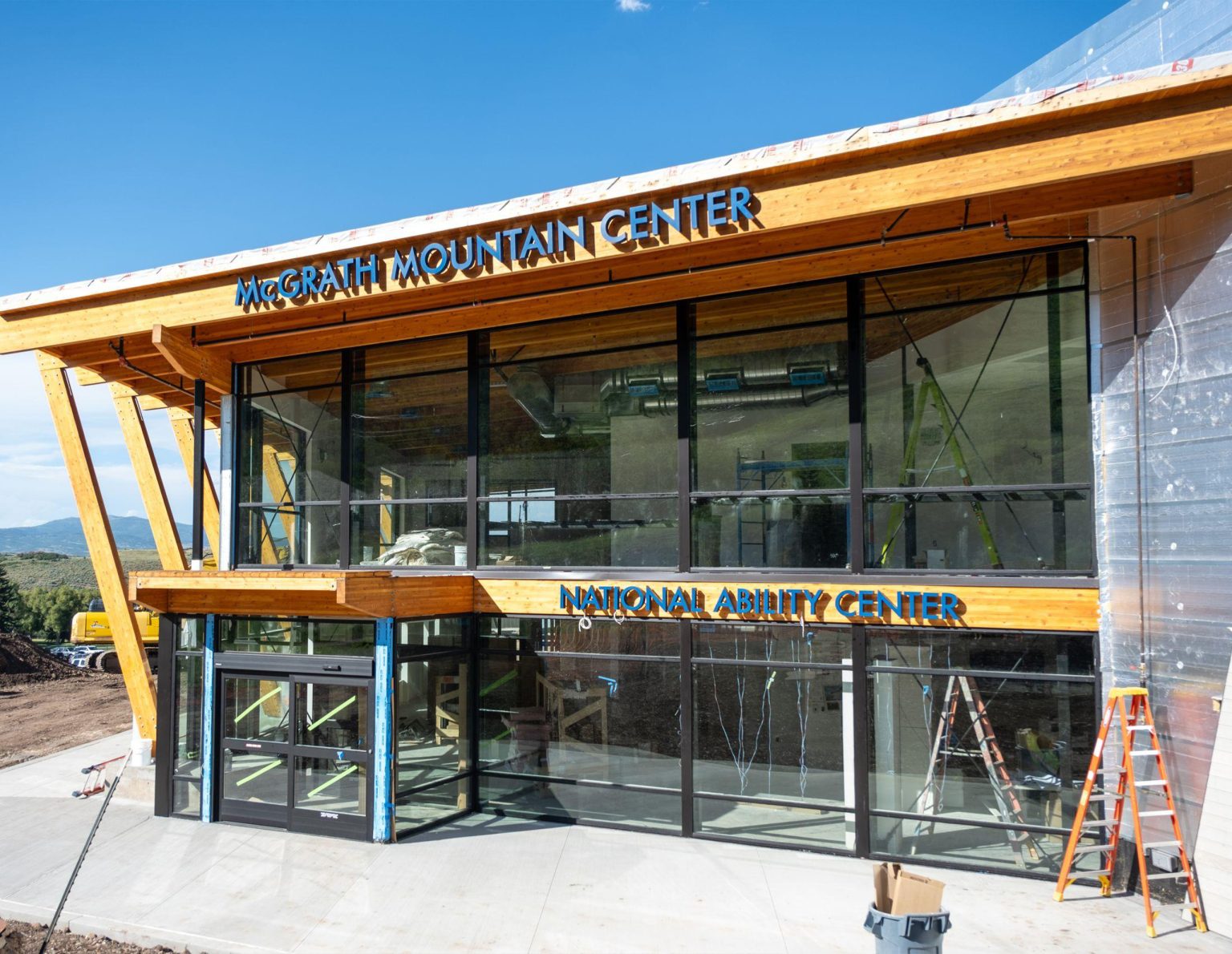
Park City's National Ability Center is pushing for the 2034 Winter Olympics to match the accessibility standard the 2026 FIFA World Cup just set.
NAC CEO Willie Ford made the case in an op-ed published Sept. 8 on the organization's website. He argued the World Cup's accessibility achievements should become the floor for the LA 2028 Olympics and Utah's 2034 Games.
The numbers back up the ambition. All 16 World Cup stadiums offered dedicated sensory spaces, earning the tournament the first-ever Sensory Inclusive Tournament designation from KultureCity. Every match featured live sign language interpretation, a first for any FIFA tournament. Fans also had access to audio-described commentary, sensory bags, venue guides and haptic devices at select stadiums that translated game movement into tactile feedback for blind and low-vision fans.
Before the tournament, FIFA convened its first Accessibility Advisory Board, made up of athletes and advocates living with disabilities. Ford stressed that distinction in his op-ed.
"It is one thing to design something for people with disabilities. It is another to design it with them," he wrote.
Ford tied the argument directly to Utah's Olympic history. The Salt Lake 2002 Organizing Committee was the first to integrate the staging of both the Olympics and Paralympics in one organization. More than 400 athletes from 36 nations competed in those Paralympics, the largest field at the time.
The 2034 Paralympic Winter Games are scheduled to open March 10, 2034, with a projected 700 athletes from more than 50 nations expected, according to Utah 2034. Organizers anticipate the Games will be more than 60% larger than the 2002 edition, with five competition venues within one hour of the Paralympic Village at the University of Utah. Utah 2034 President Fraser Bullock said in December 2025 that the 2002 Paralympics "were magical and became a milestone for the Paralympic Movement."
Ford wrote that the NAC intends to be an active voice in 2034 planning, working alongside organizers, community leaders, athletes, people with disabilities and corporate partners. The op-ed named no specific next step. The nonprofit, co-founded in 1985 by Vietnam veteran Pete Badewitz with ski lessons for veterans at the base of Park City Mountain, now serves more than 5,500 athletes and hosts over 32,000 lessons and experiences each year across campuses in Park City and Moab.
Ford closed by writing that accessibility should no longer be treated as an accommodation but simply as what fans and athletes expect from sport.

.png)