Roughly 90 to 100 voters will decide whether to create a new town along State Route 248 between Kamas and Hideout in the Nov. 3 election.
The ballot question asks: “Shall the area described as West Hills be incorporated as the town of West Hills?”
Only eligible voters living within the proposed 3,600-acre boundary can vote on incorporation. A majority of votes cast in favor would approve it.
The election follows years of hearings, boundary changes and litigation. Salt Lake City real estate attorney Derek Anderson, the incorporation sponsor, filed initial paperwork in April 2023, according to KPCW.
The question was scheduled for the November 2025 ballot, but landowners added to the boundary after the exclusion-request period challenged the process. A 3rd District judge blocked the election in October 2025.
The Utah Supreme Court reversed that decision July 2, upholding the statutory cutoff for exclusion requests and reinstating Lt. Gov. Deidre Henderson’s certification of the petition.
Arguments for and against
Summit County prepared a voter pamphlet containing competing arguments, the Park Record reported.
Supporters Nathan Anderson, Vance Checketts and Page Checketts argued that incorporation would give residents more control over services, tax spending and growth. They cited unpaved roads, inconsistent snow removal and insufficient county attention.
Resident Tyler John Gough wrote the opposition argument, warning of higher taxes, increased development and pressure on infrastructure and essential services.
Supporters disputed those concerns in their rebuttal, citing the feasibility study and arguing that incorporation would improve local accountability.
What the feasibility study projects
A December 2024 feasibility summary, prepared by LRB Public Finance Advisors, modeled two scenarios using 2025–29 revenue and spending assumptions.
The first includes a $1.32 million government office amortized over 20 years. Before an additional levy to balance the budget, it projects a negative 25.85% five-year average revenue margin.
The second excludes the office building and projects a positive 5.56% average revenue margin. Constructing a government office is not required for incorporation, the summary notes.
Both scenarios estimate a $1,708 first-year tax increase for a home valued at $1.3 million. Under the second scenario, the modeled additional tax impact falls to zero in subsequent years.
These estimates are not adopted tax rates or a guarantee of future bills.
Voter challenges
The residency of at least 30 prospective voters has been challenged, KPCW reported Oct. 13.
Incorporation opponent Craig Savage challenged 18 voters in September. The Clerk’s Office has until Oct. 26 to decide those challenges, according to KPCW.
Derek Anderson separately challenged 12 voters Oct. 12, largely citing property-tax records. He acknowledged missing the statutory filing deadline, and KPCW reported that it was unclear whether the clerk would accept those challenges.
Property-tax classifications do not, by themselves, resolve voting residency. Challenged voters may cast ballots, but those ballots count only if the voters are found eligible.
How to vote
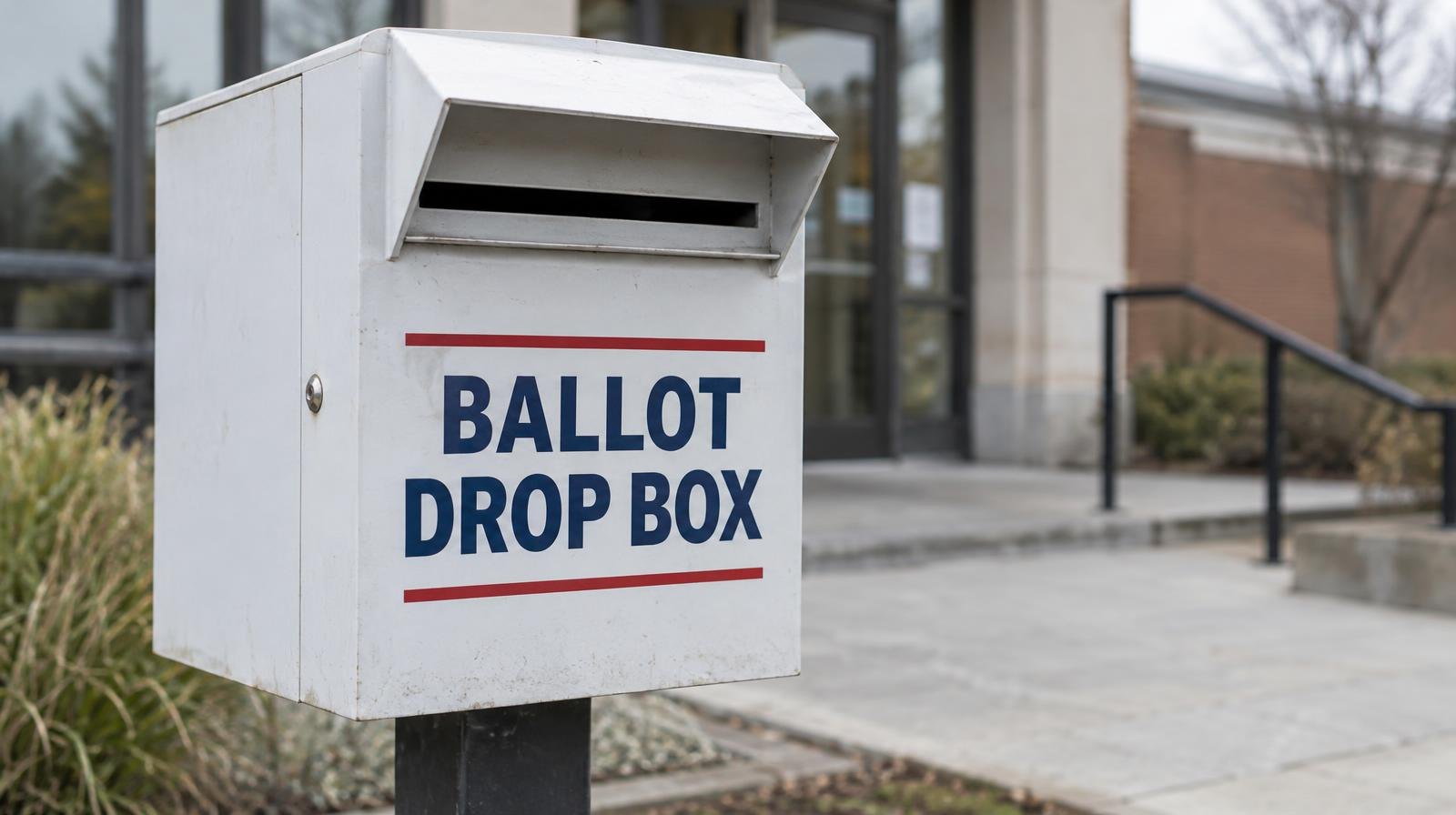
The county began mailing ballots Oct. 13. Completed ballots must reach the Clerk’s Office or an official drop box by 8 p.m. Tuesday, Nov. 3. A timely postmark is not sufficient.
Drop boxes include the Kamas library, Oakley City Hall, Francis City Hall and the Quinn’s Junction health department. Check the county’s official drop-box list for addresses and access hours.
Election Day voting runs from 7 a.m. to 8 p.m. at Coalville City Hall, the Kamas library, the Sheldon Richins Building in Kimball Junction and the Quinn’s Junction health department.
Early voting runs Oct. 27–31. Locations, hours and registration information are available through the Summit County election FAQ. Residents with questions can call (435) 336-3040.