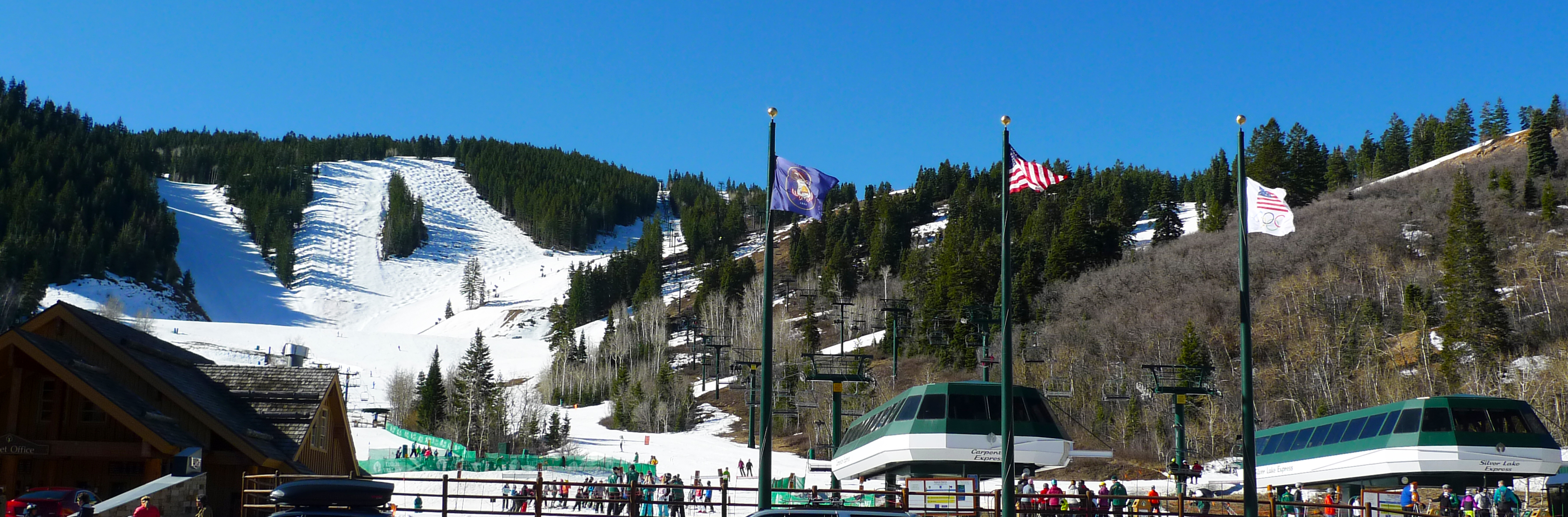
Park City Mountain is approaching its 2026-27 ski season as advance lodging reservations across western mountain destinations trail last year's pace.
Lodging occupancy already booked for November through March was down 8.3% year over year as of Sept. 30, according to an Oct. 15 report from Inntopia DestiMetrics.
The figures cover western mountain destinations and are not specific to Park City. They provide an early indicator of demand before the winter tourism season, rather than a forecast of final occupancy.
Winter lodging reservations lag
Inntopia reported that advance occupancy was lower across all five months from November through March, with the largest decline in March.
December reservations were running 6.9% below the comparable period last year, while March was down 17.1%. November bookings were essentially unchanged.
Average daily room rates were up 1.4% across the five-month period, but the combination of weaker occupancy and modestly higher rates left projected lodging revenue down about 7%.
Tom Foley, Inntopia's director of business intelligence, attributed the slower booking pace partly to economic pressures, high lodging costs and memories of the previous winter's poor snowfall.
The company's data showed some travelers choosing shorter stays or lower-priced periods during the summer and fall. Foley cautioned that travelers were continuing to hesitate over winter reservations even as expectations for snowfall remained uncertain.
Vail Resorts reports lower pass sales
Vail Resorts, which operates Park City Mountain, has reported its own decline in advance purchases.
In its Sept. 28 fiscal-year earnings release, the company said Epic Pass product unit sales through Sept. 18 were approximately 12% below the comparable period in 2025.
The estimated number of skiing days represented by those purchases fell about 10%, while total sales dollars declined approximately 6%.
Vail said demand was weakest among buyers of passes offering a limited number of visits, especially destination travelers.
The company suggested that some less-frequent skiers may be delaying their purchases rather than abandoning plans to ski this winter. It identified later pass sales and daily lift tickets as possible ways to recover some of that demand.
The slowdown follows a difficult 2025-26 season for the company.
Vail reported that visitation across its resorts fell 13.4% during fiscal 2026. Total lift revenue declined 3.5%, while pass revenue increased 3.9%.
The company attributed much of the weaker visitation to unfavorable weather, particularly at its Rocky Mountain and Lake Tahoe resorts.
What it means for Park City
The regional lodging data and company-wide pass figures do not establish how much visitation or lodging revenue Park City itself will gain or lose this season.
They do, however, show two signs of weaker advance demand across the wider western ski market heading into winter.
The outlook could change as additional travelers make reservations and snow conditions become clearer.
Park City Mountain is targeting Friday, Nov. 20, for its opening day, according to Vail Resorts' official 2026-27 resort guide.
The resort says the date remains subject to weather and mountain conditions.